
Honoring the Roots: Native American Heritage Month and the Origins of Lacrosse
The word lacrosse actually comes from the French colonists who first witnessed Indigenous peoples playing the game in the 1600s. They called it la crosse, meaning “the stick.” Long before it had a French name, or developed into the mainstream sport as we know it today, it lived as a cultural practice, a ceremony, and a source of connection within Indigenous communities.
Because November is Native American Heritage Month, it’s especially important for all of us who love the sport, to shine a light on those roots and honor the people who created the game.
DIFFERENT TRADITIONS, ONE FAMILY OF GAMES
Lacrosse isn’t just one “original version.” Different nations have their own names, rules, and meanings attached to the game.
In the Great Lakes Region, the Ojibwe have the Baaga’adowewin which is deeply ingrained with their identity, and has been a great source of healing after forced assimilation programs in the US nearly erased it from their culture.
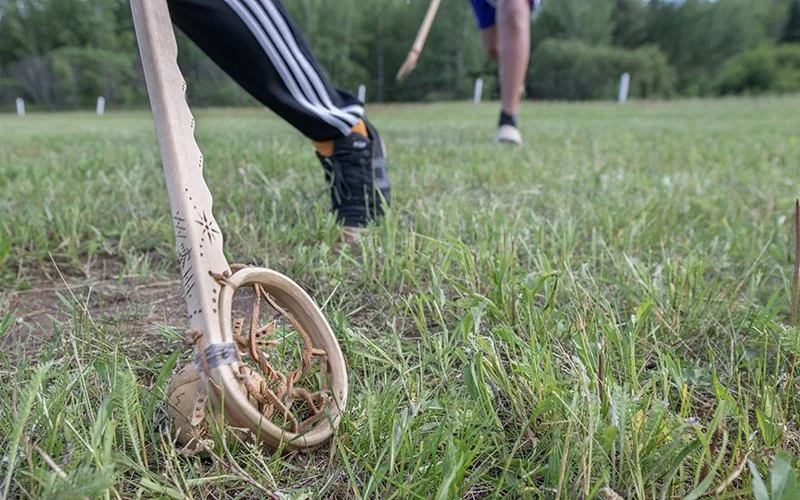
Image linked to an article by the Minnesota Conservation Volunteer Magazine
The Onondaga and Haudenosaunee Confederacy have the Dehoñtjihgwa’és, which translates to “they bump hips,” is another traditional form of the game. Early versions would involve hundreds of men on the field at once, playing with wooden sticks, leather pockets, and a deer-hide ball.
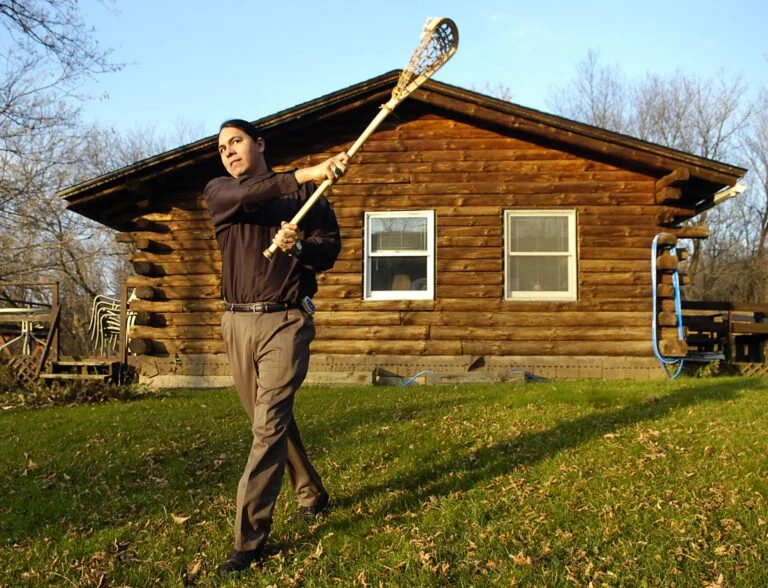
Image linked to an article about the Onondaga Nation and Dehoñtjihgwa’es
In the Southeast, Ishtaboli is a traditional stickball game played by nations such as the Choctaw, Chickasaw, and Cherokee. Historically, games were very physical and lasted for hours or days at a time. Entire communities would be involved, preparing, watching, and participating.
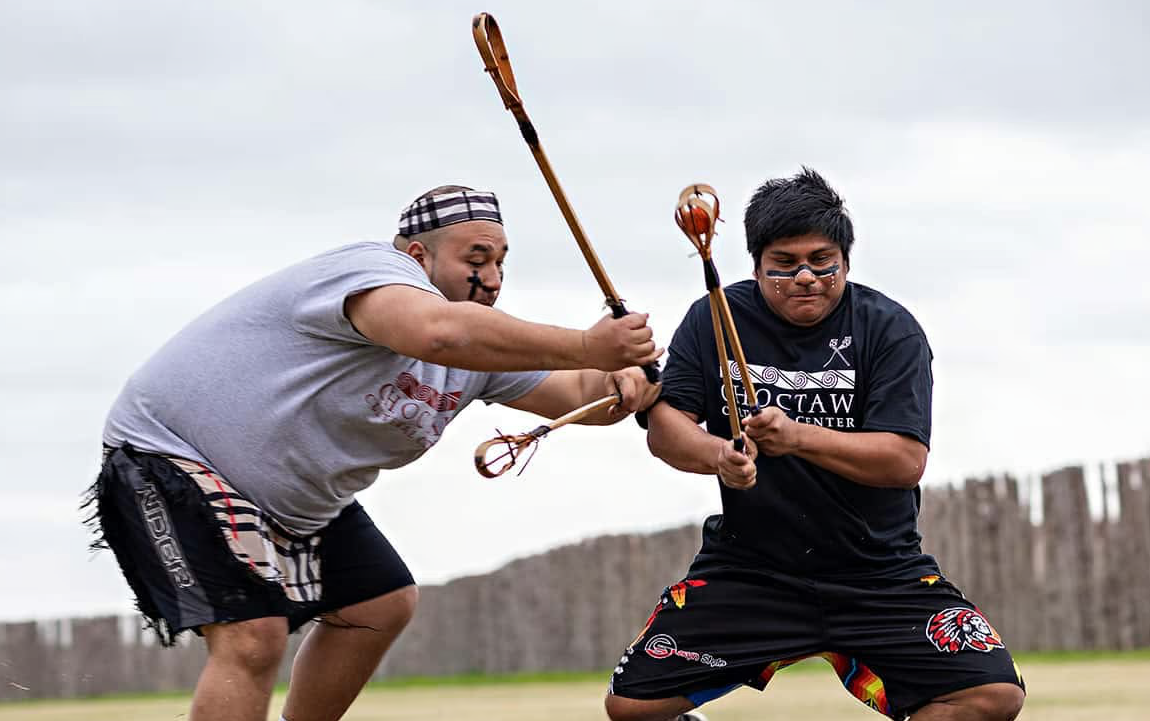
Image from the Choctaw Nation of Oklahoma - linked to an article on Ishtaboli
WHY THIS MATTERS
Across these traditions, this family of games is often understood as a gift from the Creator and not just entertainment. As such, playing lacrosse comes with an obligation to respect where the game comes from and who it belongs to.
For those of us who are not Indigenous, that can mean:
Learning the history of the land and nations where we live and play
Naming the Indigenous origins of lacrosse when we coach, write, or promote the sport
Supporting Indigenous-led programs, tournaments, and initiatives when possible
Listening when Indigenous players, coaches, and communities say what they need and how they want the game to be represented
WHAT HONORING THE GAME CAN LOOK LIKE
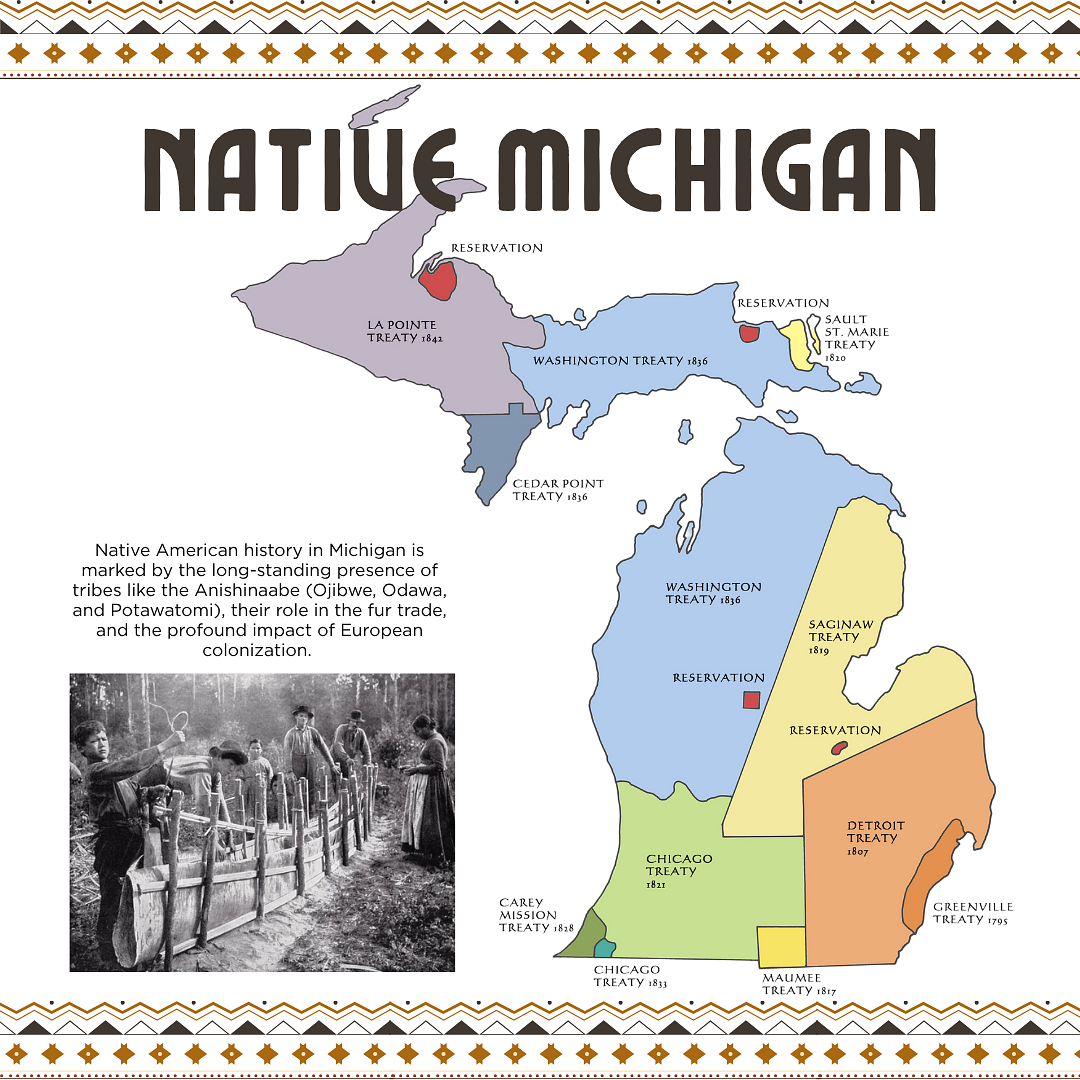
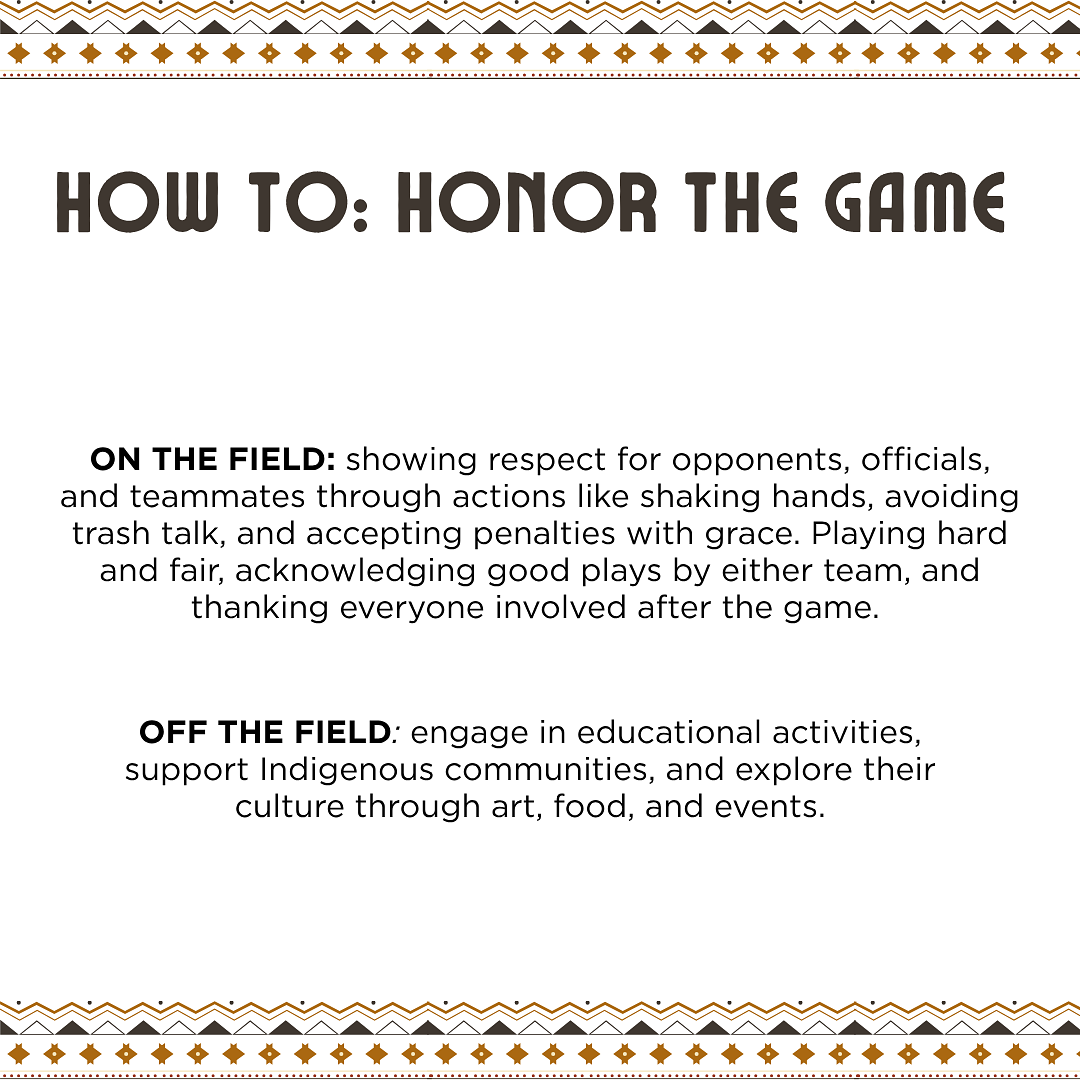
This idea of honoring the game shows up in the work of WLD member and Northwood University Head Coach Morgan Radners. She makes space to talk with her team about the Indigenous roots of lacrosse and has helped build connections with the local Isabella Reservation in Mt. Pleasant, Michigan.
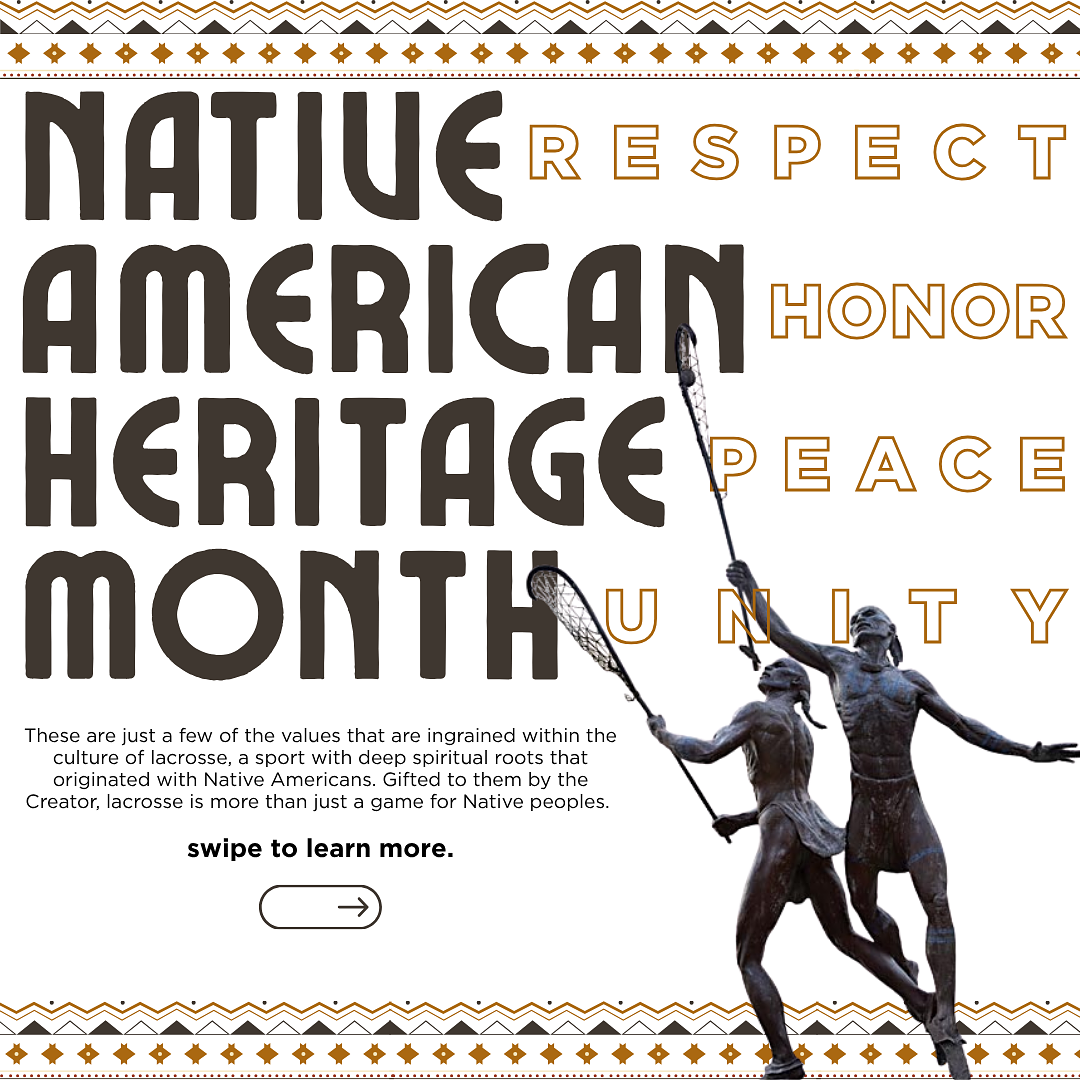
At last year’s “Honor the Game” tournament, sponsored by Northwood University, community members from the reservation set up a tent with two types of traditional sticks used by tribes in Michigan. Players stopped by, picked them up, and tried them out. Morgan says it’s moments like that keep the focus on what really matters: respecting where the game comes from and creating real, hands-on ways to learn and say thank you. Below are photos from Morgan’s program for Native American Heritage Month.

WANT TO LEARN MORE?
For teams and clubs looking to do something similar, a good starting point is to reach out to local Indigenous communities and ask how you can support or learn from them directly.
We at WLD would like to encourage everyone to take time this month to learn, listen, and play with gratitude for the people who gave the world lacrosse. If you’d like to dig deeper into the sport’s Native heritage, check out: